Room
Home Renovation Malaysia: Key Things to Plan Before You Start
Aug 6 2026
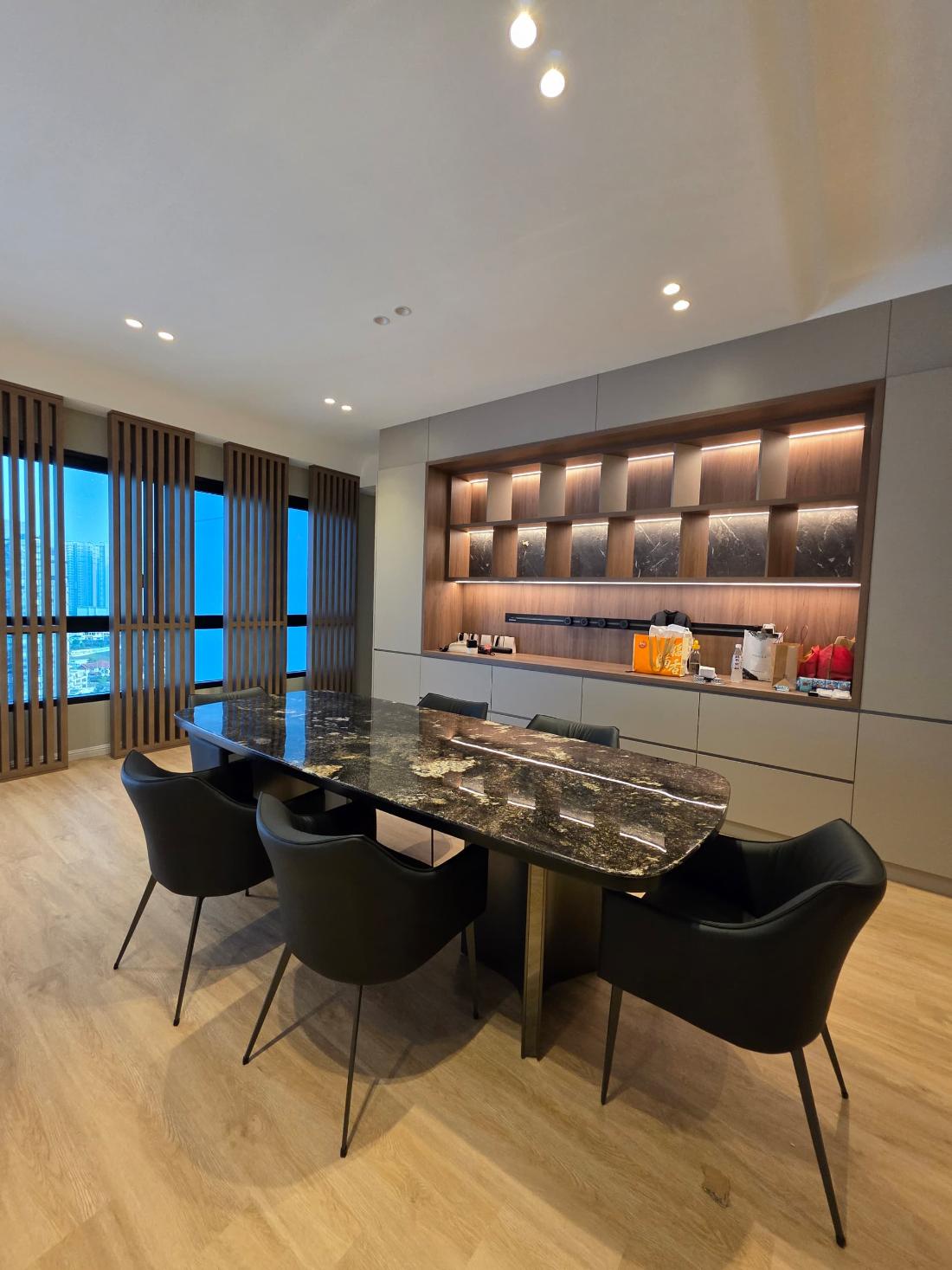
Planning a home renovation in Malaysia? Here's what every homeowner needs to consider before the first wall comes down.
Starting a home renovation in Malaysia is one of the most exciting decisions a homeowner can make — whether you are refreshing a condominium in Kuala Lumpur, upgrading a terrace house in Petaling Jaya, or extending a landed property in Johor Bahru. But between the excitement of browsing design ideas and the moment your contractor begins work, there is a phase that most homeowners rush through: proper planning.
Home renovation planning tips are not just about picking tiles or paint colours. They cover budgeting, contractor selection, permits, and timeline management. Getting this phase right saves you money, reduces stress, and prevents costly mistakes that are difficult to undo once work has started.
Budgeting is where expectation and reality diverge most painfully. Many Malaysian homeowners underestimate renovation costs simply because they do not know the market rates until they are already committed.
As a rough guide, a basic renovation for a medium-sized terrace house in Malaysia can range from RM 30,000 to RM 80,000 depending on scope, materials, and location. Full-home refurbishments with custom cabinetry and quality finishes can exceed RM 150,000. Labour alone often accounts for 30% to 40% of the total cost, and hidden issues — outdated wiring, waterproofing failures, structural surprises — can surface only after demolition begins.
The most important home renovation planning tip here is to set aside a contingency buffer of at least 15% to 20% above your estimated budget. Something unexpected almost always comes up, and having that buffer means you can handle it without stopping the project mid-way.
Home Renovation Malaysia: Key Things to Plan Before You Start
Starting a home renovation in Malaysia is one of the most exciting decisions a homeowner can make — whether you are refreshing a condominium in Kuala Lumpur, upgrading a terrace house in Petaling Jaya, or extending a landed property in Johor Bahru. But between the excitement of browsing design ideas and the moment your contractor begins work, there is a phase that most homeowners rush through: proper planning.
Home renovation planning tips are not just about picking tiles or paint colours. They cover budgeting, contractor selection, permits, and timeline management. Getting this phase right saves you money, reduces stress, and prevents costly mistakes that are difficult to undo once work has started.
Set a Realistic Budget for Your Home Renovation Malaysia Project
Budgeting is where expectation and reality diverge most painfully. Many Malaysian homeowners underestimate renovation costs simply because they do not know the market rates until they are already committed.
As a rough guide, a basic renovation for a medium-sized terrace house in Malaysia can range from RM 30,000 to RM 80,000 depending on scope, materials, and location. Full-home refurbishments with custom cabinetry and quality finishes can exceed RM 150,000. Labour alone often accounts for 30% to 40% of the total cost, and hidden issues — outdated wiring, waterproofing failures, structural surprises — can surface only after demolition begins.
The most important home renovation planning tip here is to set aside a contingency buffer of at least 15% to 20% above your estimated budget. Something unexpected almost always comes up, and having that buffer means you can handle it without stopping the project mid-way.
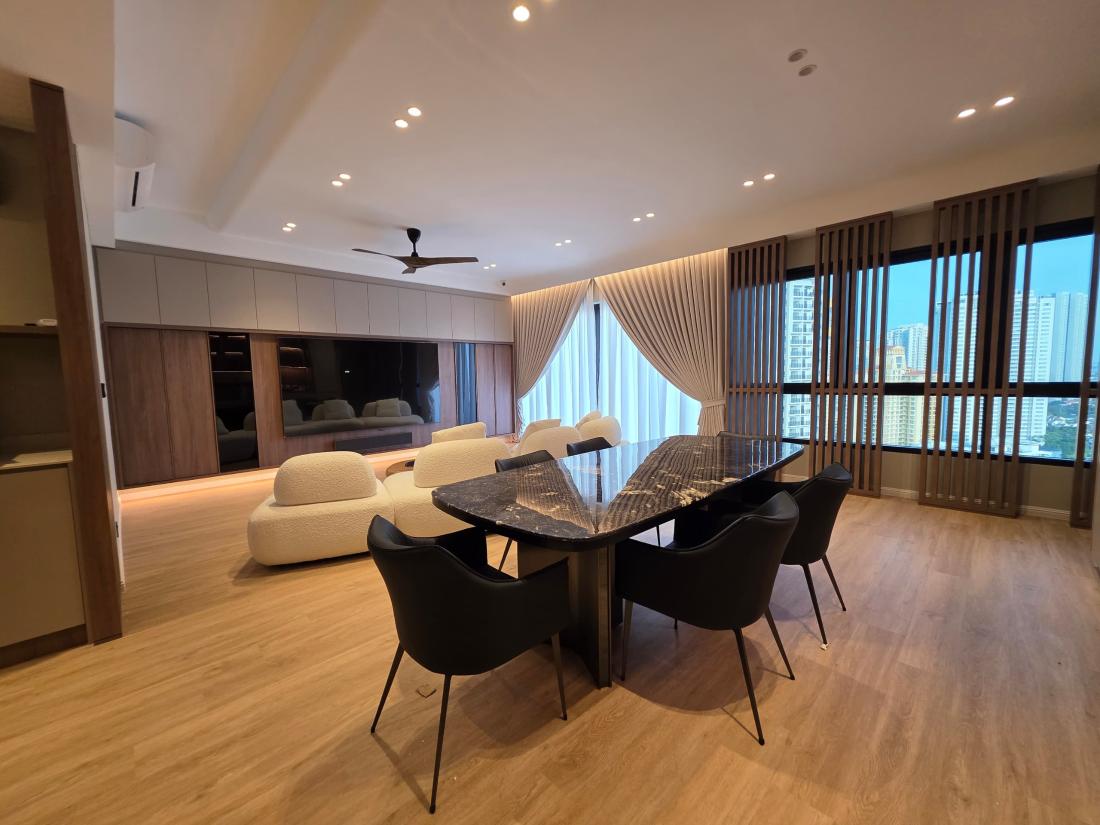
Understand Permits and Local Regulations
This is the step many Malaysian homeowners skip, often to their regret. Depending on the scope of your renovation, official approval may be required before work begins.
Major structural works — extensions, adding floors, moving load-bearing walls — typically require approval from your local authority (Pihak Berkuasa Tempatan). For strata properties like condominiums, you will also need written consent from the Joint Management Body (JMB) before any renovation starts.
What Happens If You Skip the Permits
Unpermitted renovation work can create serious complications when you sell the property. Banks conducting valuations may flag unauthorised structures, and local authorities can issue stop-work orders or require demolition of unapproved work. The administrative effort of getting permits right upfront is far less painful than dealing with the consequences later.
Choose the Right Contractor
For most homeowners, the contractor relationship is the most consequential decision in the entire renovation process. The right contractor delivers your project within budget and on time. The wrong one disappears mid-project, requests large upfront payments, or delivers workmanship that needs to be redone.
When shortlisting contractors, always ask to see completed projects and speak to previous clients where possible. Check whether the contractor is registered with CIDB (Construction Industry Development Board Malaysia). Get at least three quotations and be cautious of any quote significantly lower than the rest without explanation.
Never skip the written contract. It should clearly state the scope of work, materials and brands to be used, the payment schedule, project timeline, and defect liability period. A standard practice in Malaysia is to pay in progress-based instalments — an initial deposit of around 10% to 30%, with remaining payments tied to completed milestones. Never pay in full before work begins.
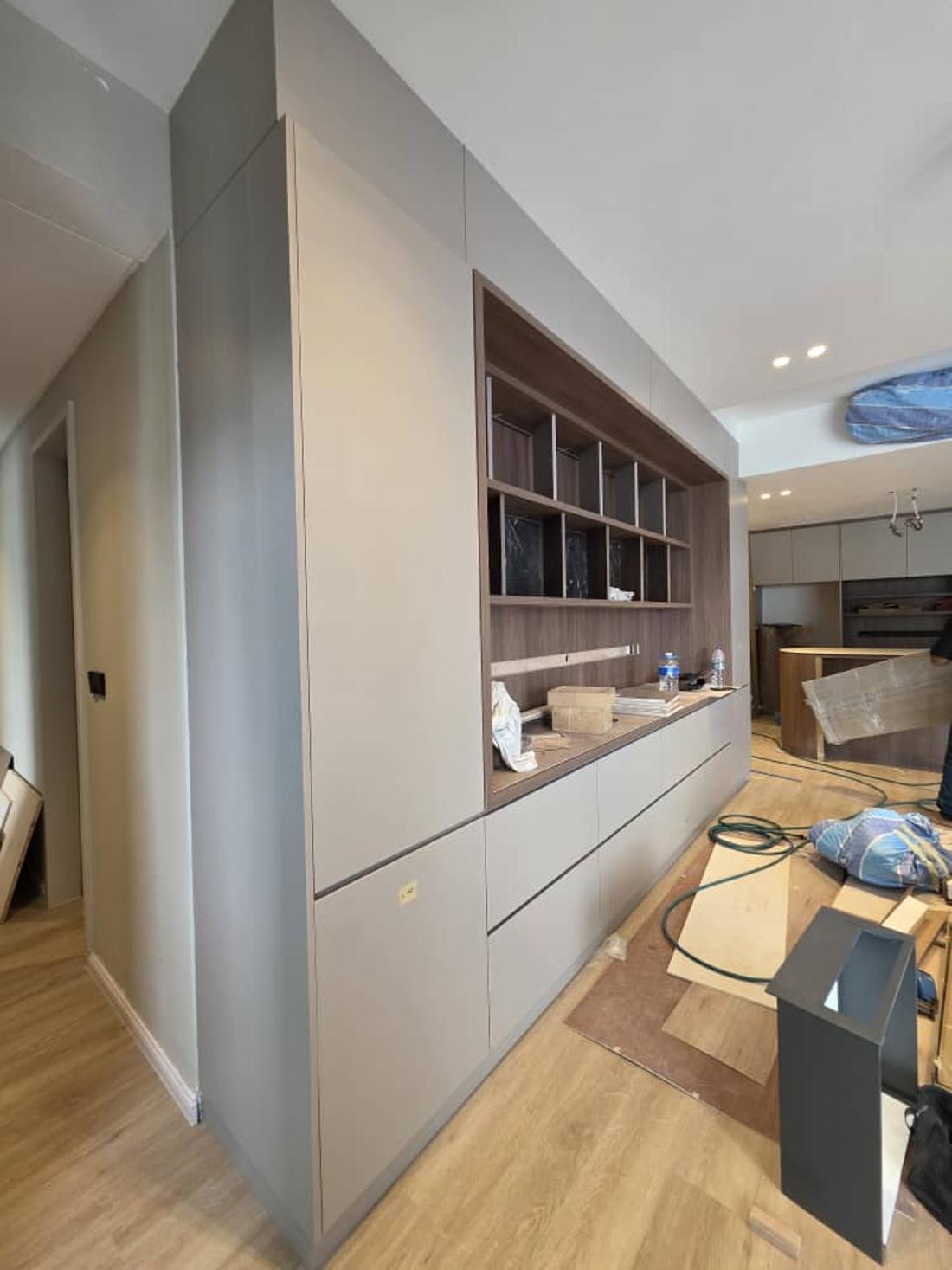
Plan for Malaysia's Climate
Malaysia's tropical climate — high humidity, intense heat, and heavy rainfall — should directly influence your material choices. Not every beautiful finish you see in international design magazines will hold up well locally.
Solid timber can warp in humid conditions unless properly treated. Certain exterior paints peel faster on walls exposed to afternoon sun and rain. In bathrooms, kitchens, and outdoor areas, waterproofing is not optional. Cutting corners here leads to mould, water damage, and expensive repairs within just a few years. Work with contractors who have genuine local experience and can advise on materials suited to Malaysian conditions.
Prioritise Function Before Aesthetics
It is easy to get swept up in the visual side of renovation, especially with social media constantly surfacing beautiful interiors. But lasting renovation satisfaction comes from homes that work well, not just homes that photograph well.
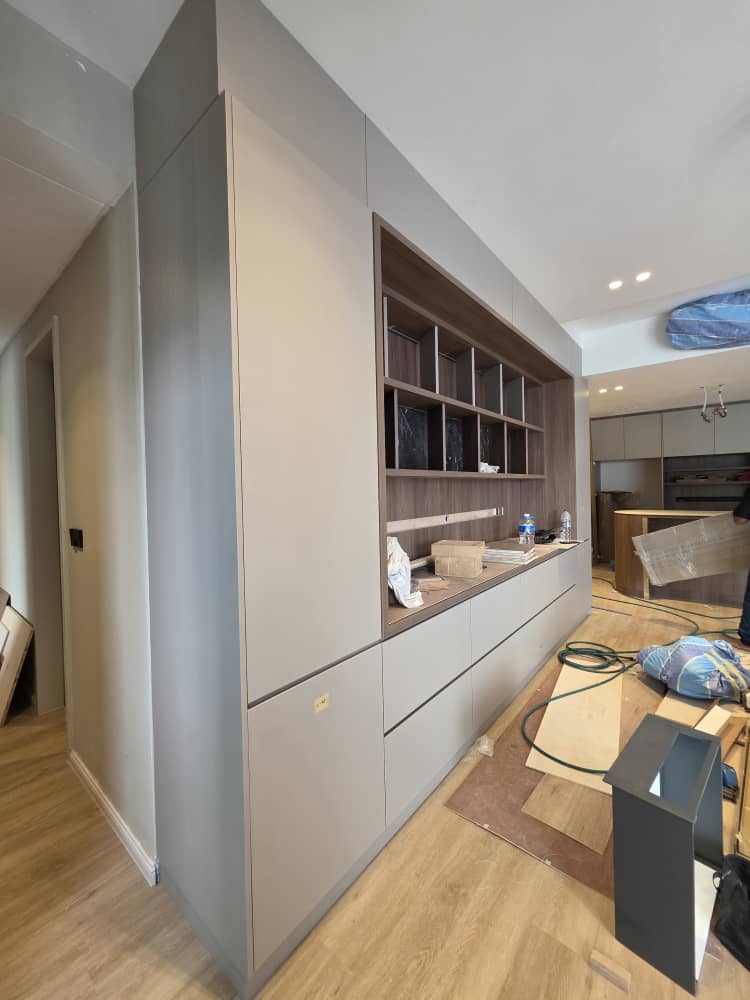
Before finalising any layout or design decision, ask how the space will genuinely be used day to day. Kitchen configurations should reflect how your household actually cooks. Storage is almost always underestimated — build in more than you think you need. The aesthetic layer — colours, fixtures, finishes — is important and enjoyable to plan, but it should sit on top of a strong functional foundation.


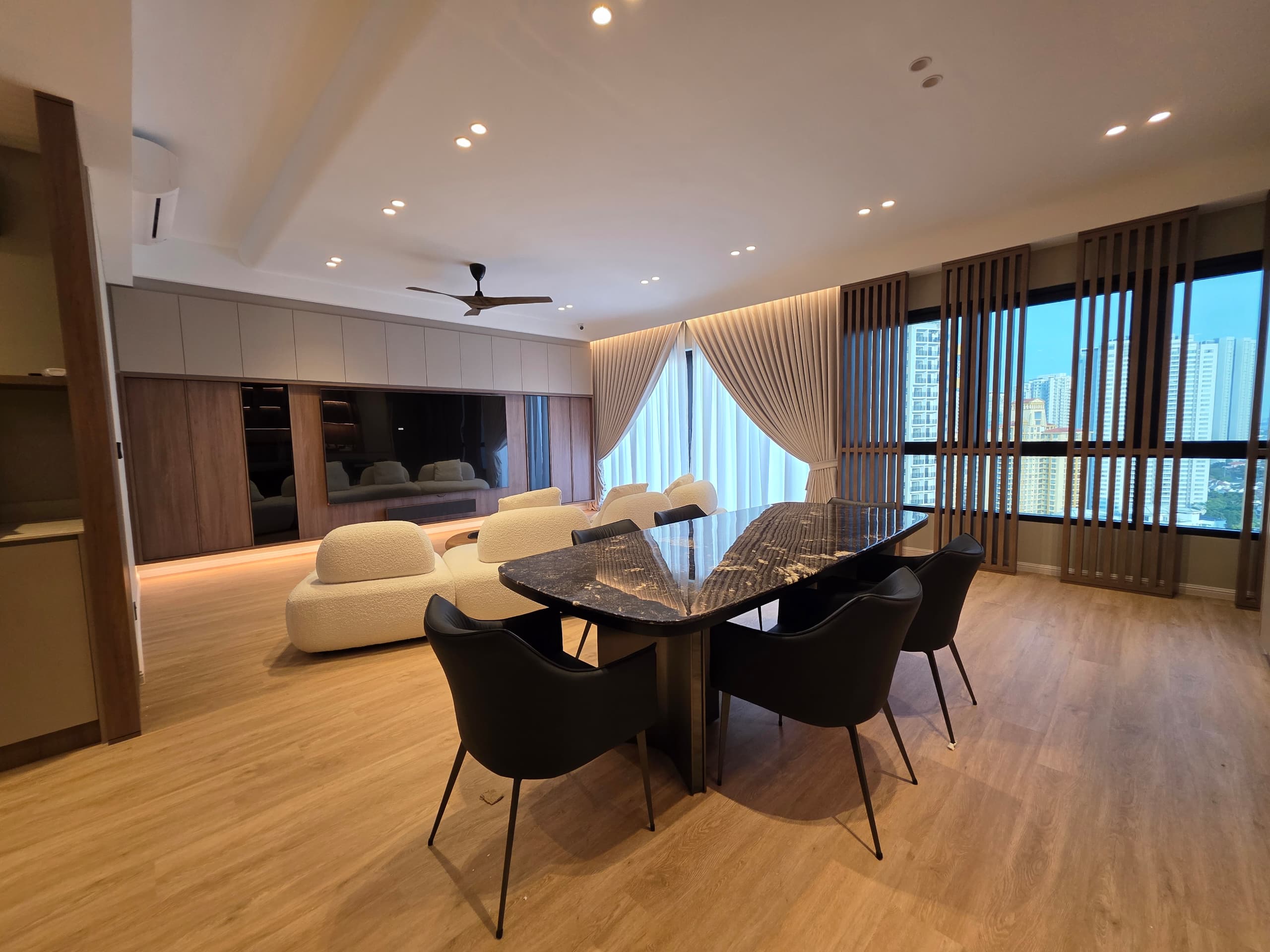

FAQ
Q: Do I need an interior designer for my home renovation in Malaysia?
It is not compulsory, but it can be valuable for larger or more complex projects. For smaller renovations, working directly with a reputable contractor is often sufficient.
Q: How long does a typical home renovation in Malaysia take?
A partial renovation covering one or two rooms might take four to eight weeks. A full-home renovation for a medium terrace house typically runs three to six months, sometimes longer if permits or imported materials are involved.
Q: Is it safe to pay a contractor fully upfront?
No. Always pay in progress-based instalments tied to completed milestones. Paying in full upfront leaves you with little recourse if problems arise.